Why Screen Printing Services Still Dominate Custom Apparel
The Practical Choice for Bulk Orders
When you need fifty or five hundred shirts for a company event, a sports team, or a nonprofit fundraiser, the conversation almost always turns to screen printing. It has been around for decades, and while newer methods like direct-to-garment printing have gained ground, screen printing services remain the workhorse of the custom apparel industry. They handle large quantities efficiently, produce vivid colors, and hold up well to repeated washing. That combination is hard to beat.
I have worked with a fair number of print shops over the years, and the ones that focus on screen printing tend to have a certain rhythm. They set up screens, mix inks by hand, and run presses that push ink through mesh onto fabric. It is a hands-on process that rewards experience. A new printer can get decent results, but a skilled operator knows exactly how to adjust pressure, angle, and ink viscosity for each garment type. That know-how shows in the final product.
How the Process Actually Works
Screen printing starts with creating a stencil for each color in the design. The stencil is attached to a fine mesh screen, and ink is forced through the open areas onto the shirt below. If your logo has three colors, then three separate screens are needed. The printer lines up each screen carefully so the colors register correctly. This step is where a lot of the craft comes in. Misalignment leads to blurry edges or overlapping ink, which looks sloppy. Good shops check registration by running test prints before starting the full batch.
After the ink is applied, the garment passes through a conveyor dryer or a flash cure unit. Heat sets the ink, making it bond with the fabric fibers. Proper curing is critical. Under-cured prints wash out quickly. Over-cured prints can crack or feel stiff. The best screen printing services monitor temperature and belt speed closely to avoid both problems.
Another factor that affects quality is the mesh count of the screen. Lower mesh counts let more ink through, which is good for bold, opaque designs on dark shirts. Higher mesh counts produce finer detail but deposit less ink. Choosing the right mesh for the job requires judgment. A printer who reaches for the same screen every time will not get the best results across different fabrics and designs.
Ink Choices Matter More Than You Think
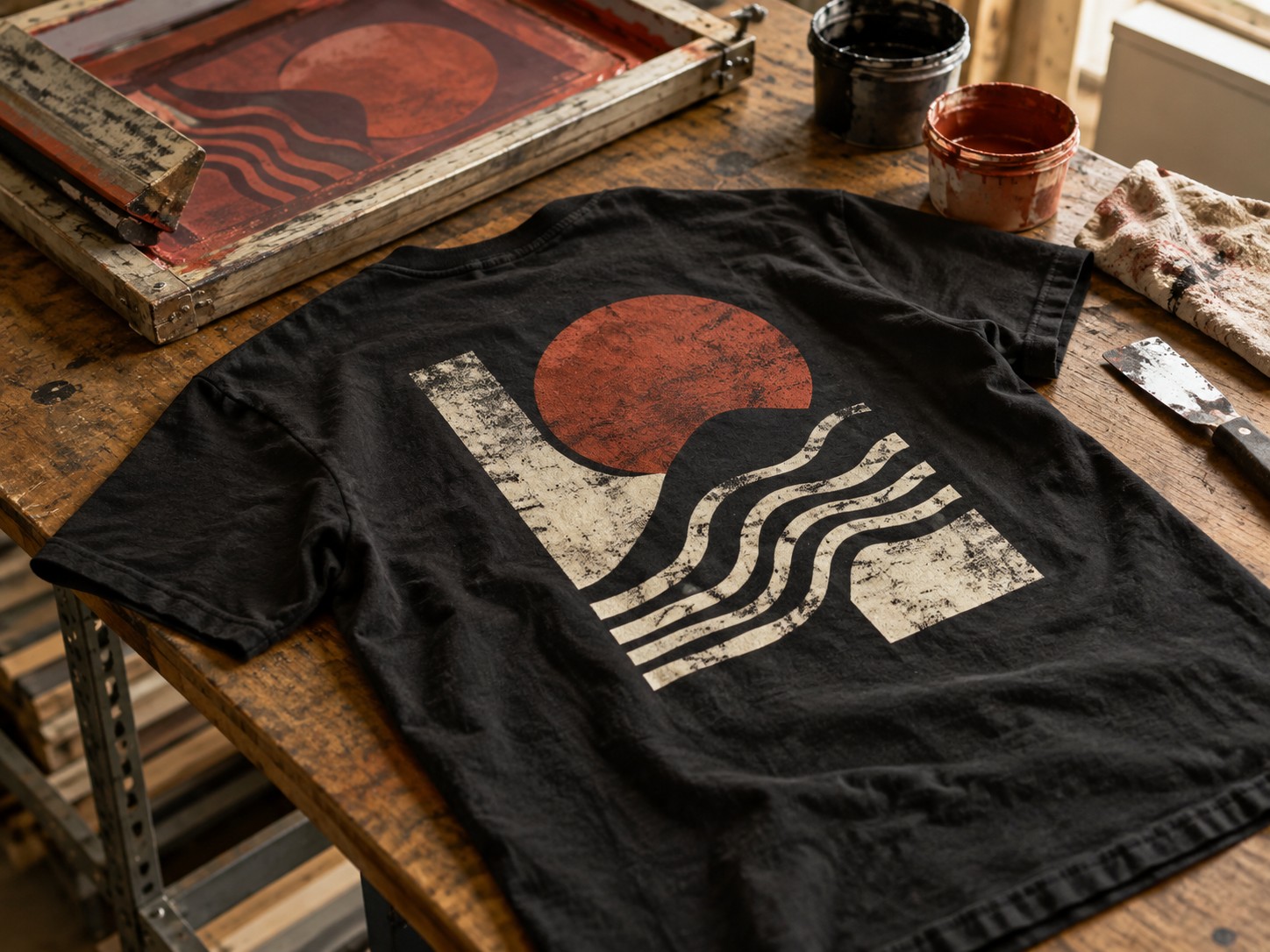
Not all screen printing ink is the same. Plastisol is the most common type. It sits on top of the fabric and gives a slightly raised feel. It is durable and works well on cotton blends. Water-based ink soaks into the fibers, leaving a softer hand feel. That is a good choice for lightweight tees or vintage-style prints where you want the shirt to breathe. Discharge ink removes the dye from dark fabric and replaces it with pigment, creating a print that feels like part of the shirt. Each ink type has trade-offs. Plastisol is easier to work with and more forgiving, but water-based and discharge inks produce a nicer look and feel. A good shop will talk you through the options rather than just defaulting to plastisol.
I have seen customers ask for a soft print on a black 100-percent-cotton shirt and then balk when the shop recommends discharge because it costs a bit more per piece. That is a reasonable reaction. But the difference in feel is noticeable. If you are handing these shirts out to clients or selling them at a retail counter, that soft hand can make a strong impression. On the other hand, if the shirts are for a one-day event and will likely be tossed in the laundry a few times, plastisol is perfectly fine. The key is matching the ink to the use case.
Artwork Preparation and Color Separations
Before any ink touches fabric, the artwork needs to be prepared for screen printing. That usually means separating the design into individual color layers. A four-color process print uses cyan, magenta, yellow, and black to simulate full-color photographs. Simulated process uses more colors to handle complex designs on dark garments. Spot color separations keep each color on its own screen and are the simplest to print.
Artwork preparation is where a lot of projects go wrong. A customer brings in a logo that was designed for a website, with fine lines and gradients that do not translate well to screen printing. A good shop will catch that early and suggest adjustments. They might thicken thin lines, convert gradients to halftone dots, or simplify the color palette. Without that feedback, you end up with a print that looks muddy or has broken details. The best screen printing services include artwork review as part of their standard process, not as an upsell.
Garment Selection and Quality
The shirt itself matters as much as the print. A cheap blank will pill, shrink unevenly, or lose its shape after a few washes. Most print shops offer a range of brands, from value options to premium ringspun cotton tees. Ringspun shirts have a smoother surface and take ink more evenly. They also feel softer against the skin. For a corporate order or a product you are selling, spending a couple extra dollars per shirt usually pays for itself in customer satisfaction.
I have ordered shirts from shops that let you pick any blank they carry without charging extra for higher-end options. That is nice, but it is not always sustainable. More commonly, the shop marks up the garment cost and builds that into the per-piece price. That is fine as long as they are transparent about it. What you want to avoid is a shop that uses a low-quality blank to keep the price down and then blames the fabric when the print cracks. A reputable shop will recommend a blank that fits your budget and your quality expectations.
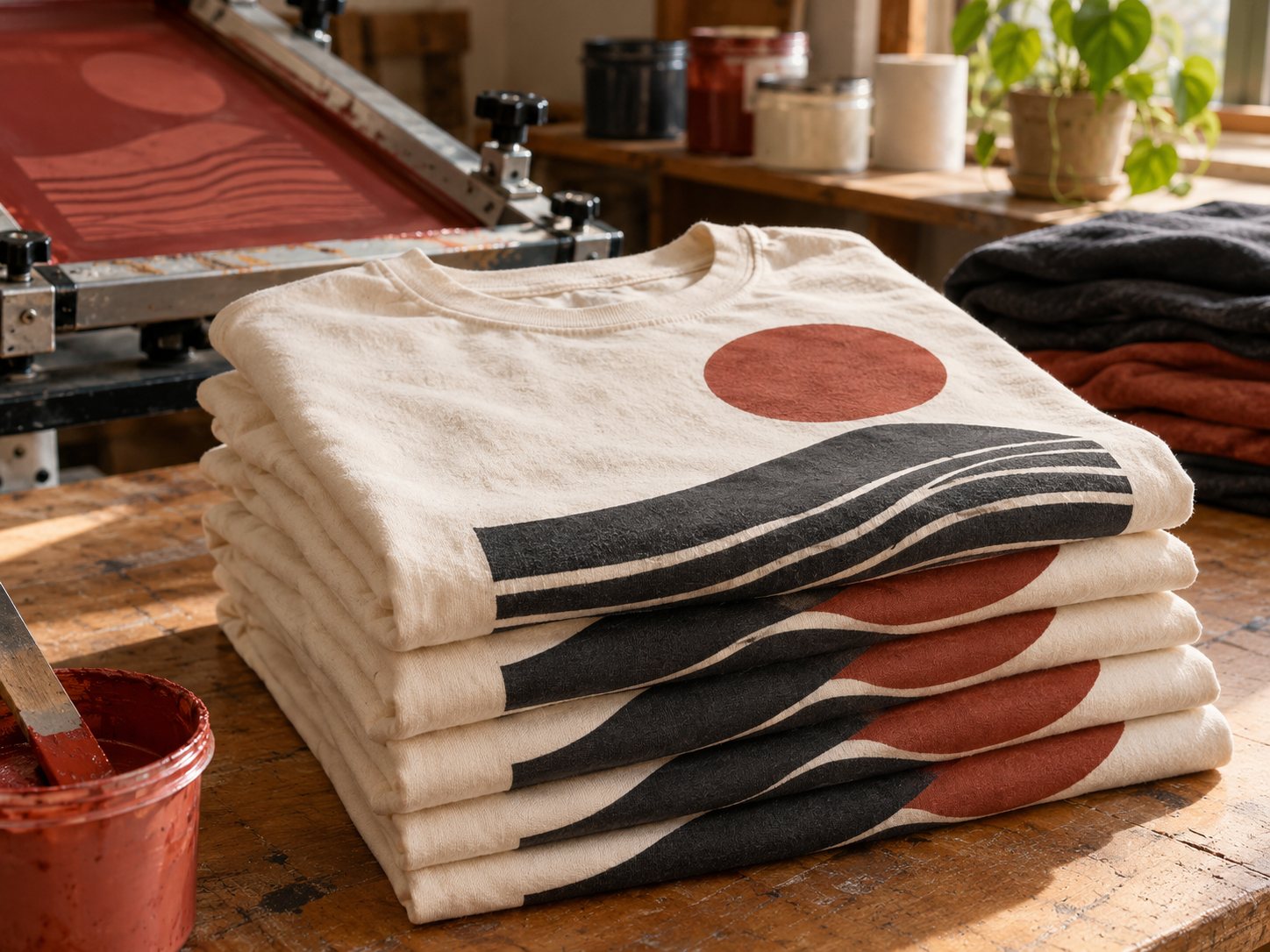
Key factors to consider when choosing a garment
- Fabric weight: lighter shirts breathe better, heavier shirts hold up longer
- Blend: 100% cotton prints crisply, polyester blends need special ink
- Fit: modern cuts run slimmer, classic cuts are roomier
- Color: dark fabrics require underbase prints for opacity
- Pre-shrunk: always check if the shirt has been pre-shrunk to avoid surprises
Cost and Minimum Order Quantities
Screen printing has a setup cost that includes screen creation, ink mixing, and press setup. That cost gets spread across the total number of shirts printed. For small orders, the setup fee makes each shirt expensive. For larger orders, the per-piece price drops significantly. Most shops have a minimum order quantity, often 12 or 24 pieces. If you need only a handful of shirts, you are better off with a different method like heat transfer or direct-to-garment printing. But if you need fifty or more, screen printing is almost always the most cost-effective option per shirt.
Volume discounts kick in at different thresholds depending on the shop. Some drop the price at 48 pieces, others at 144. It pays to ask. Also, consider that adding more colors to the design increases setup costs. A one-color print on a light shirt is the cheapest scenario. A six-color print on a dark shirt with an underbase is more expensive. Simplifying your design can save real money without hurting the look.
Common Mistakes to Avoid
One mistake I see often is rushing the proofing step. Shops send a digital proof or a physical strikeout before production. That is your chance to catch errors in color, placement, or sizing. Look at it carefully. Check that the logo is not rotated or flipped. Verify that the ink color matches your brand guidelines. If something looks off, speak up. Once the press starts running, changes are costly.
Another mistake is ignoring the care instructions. Screen printed shirts last longer when washed inside out in cold water and hung to dry. That advice is printed on the tag for a reason. Heat from a dryer can accelerate cracking, especially on low-quality prints. Telling your recipients how to care for the shirts helps maintain your brand image over time.
Quick checklist for ordering custom apparel
- Prepare clean, high-resolution artwork
- Choose a garment that fits your audience and climate
- Discuss ink options with your printer
- Review the proof thoroughly
- Order a few extra shirts to account for sizing issues
When to Choose Screen Printing Over Alternatives
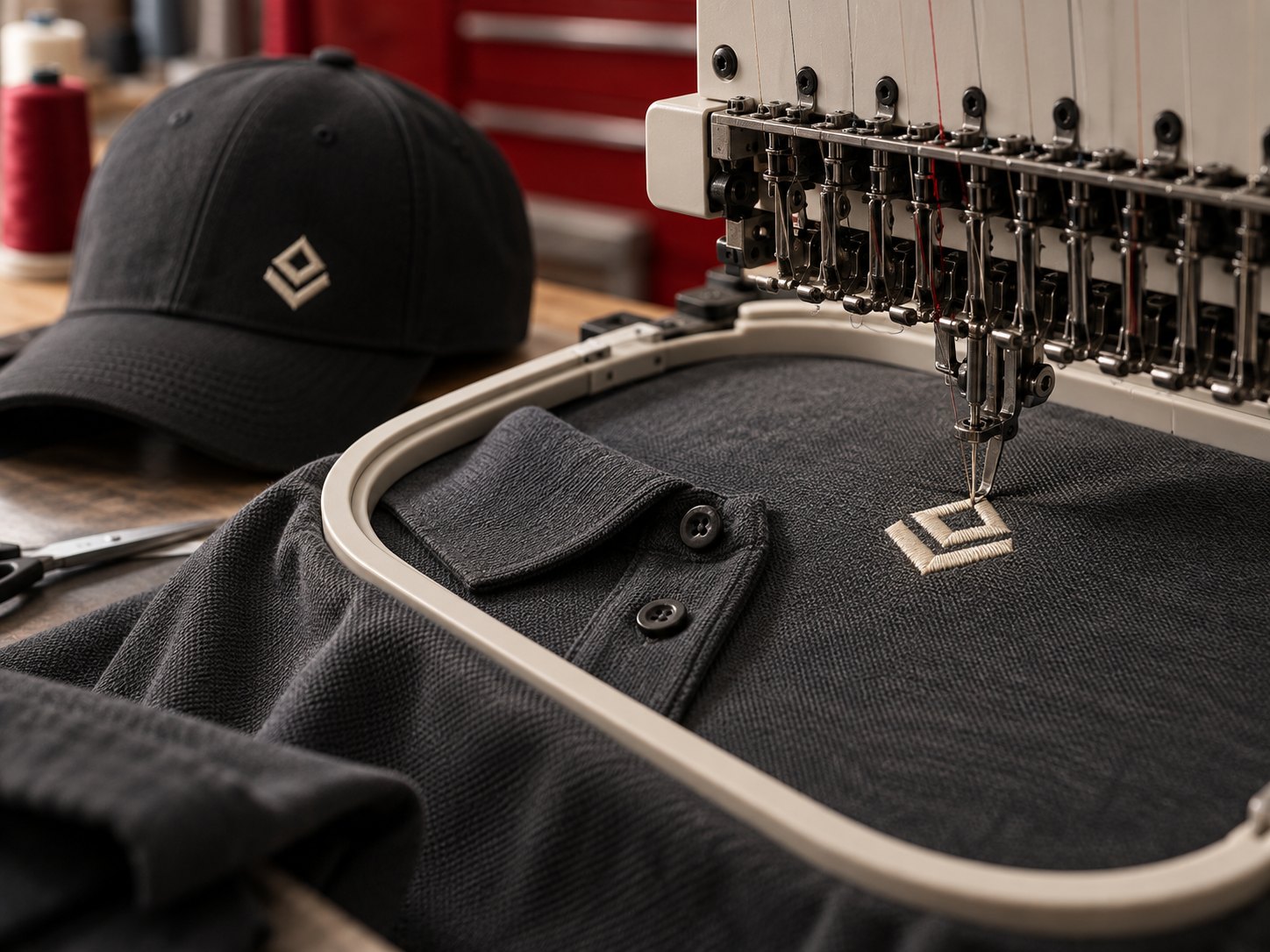
Screen printing is not the right answer for every project. For single shirts or small batches, digital printing or embroidery might make more sense. For all-over prints or highly detailed photographic images, dye sublimation is better. But for solid-color logos, text, and simple graphics on a run of twenty or more shirts, screen printing gives you the best balance of cost, durability, and color vibrancy. It is a mature technology that keeps delivering because it works.
I have seen shops try to push customers toward digital printing because it is easier for them to set up. That is not always in the customer's best interest. A digital print on a dark shirt can feel plasticky and may fade faster than a properly cured screen print. If longevity matters, screen printing is usually the stronger choice. If softness matters more, ask about water-based inks or discharge printing. A good shop will guide you based on your priorities, not their convenience.
Connect with us on Instagram.
For businesses and organizations in Garden Grove, California, that need reliable custom apparel, DSP Printing offers custom screen printing and embroidered apparel services. They are located at 11611 Salinaz Dr Ste O, Garden Grove, CA 92843, USA, and can be reached at +1 714-951-4919.